


Buy Smart: Appliances Built to Be Repaired and Upgraded
Today we focus on choosing appliances with accessible spare parts and modular design, so you can fix issues quickly, extend service life, and avoid costly replacements. You will learn practical signs to look for in stores and spec sheets, understand repairability signals, and plan a confident ownership strategy that saves money, reduces waste, and keeps your home running without drama. Share your experiences, ask questions, and subscribe for ongoing checklists, teardown insights, and real-world case studies.
Modular Design, Demystified
Modular design means an appliance is built from separable, replaceable blocks—motors, pumps, control boards, heating elements, doors, and seals—that can be swapped without dismantling the entire machine. Look for service panels, standardized connectors, and straightforward fasteners, because these design choices transform complicated failures into manageable repairs. The result is faster fixes, cheaper maintenance, and the satisfying freedom to upgrade components over time instead of starting from scratch.
What a Truly Modular Appliance Looks Like
Imagine a washing machine where the drain pump slides out after removing a few screws, the control board unclips from a labeled harness, and the drum bearings are reachable without destructive disassembly. A refrigerator with a replaceable fan module, filter housing, and LED board tells the same story. If the manufacturer publishes a clear parts diagram and straightforward removal steps, you are looking at a machine designed for real-world upkeep and long-term ownership.
Interchangeability and Standardization
Interchangeable parts protect your investment by widening sourcing options and shortening downtime. When hoses match common diameters, filters follow standard formats, and connectors are keyed to prevent mistakes, you benefit from established supply chains and predictable replacements. This standardization also spurs healthy aftermarket competition, which often drives prices down while improving availability. Ask whether the component fits multiple models or generations; broader compatibility usually means easier repairs and resilient household planning.
Spare Parts You Can Actually Buy
Reading Parts Catalogs and Exploded Views
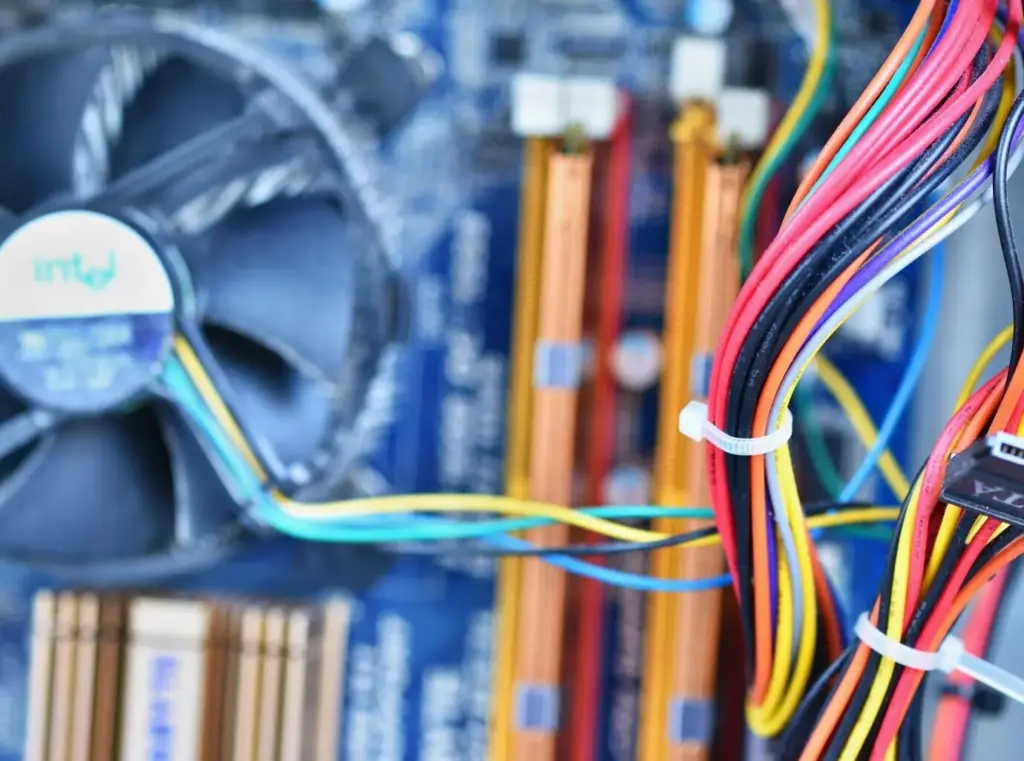
A clear parts catalog reveals the machine’s inner logic. Exploded views help you pinpoint assemblies and subassemblies, identify fastener locations, and avoid ordering entire modules when a simple gasket will do. Note part numbers carefully and check revision letters, as small changes matter. Cross-reference diagrams with user forums and photos to validate compatibility. If diagrams, stock indicators, and pricing are transparent, purchasing the correct item becomes straightforward and low-risk for busy households.
OEM, Aftermarket, and Refurbished Options
OEM parts typically guarantee fit and specifications, but quality aftermarket suppliers can deliver comparable performance at lower cost. Refurbished components, especially control boards tested by reputable shops, can be a smart value play with environmental benefits. Always check seller reputation, warranty terms, and support responsiveness. Keep receipts, document serial numbers, and compare customer photos to confirm match. A balanced sourcing strategy expands choices, contains costs, and ensures repairs remain practical rather than aspirational.
Lead Times, Shipping, and Local Stock
Availability matters when a critical appliance fails midweek. Ask about warehouse locations, typical lead times for high-failure items, and cutoff times for same-day shipping. Call local suppliers to confirm on-shelf inventory and courier options. For vulnerable components, consider pre-buying a spare to minimize downtime. Factor shipping costs into total repair price, and verify return windows for misordered parts. Planning logistics ahead turns an inconvenient breakdown into a brief pause instead of a full-blown disruption.

Understanding the French Repairability Index
Since 2021, French retailers display a score reflecting how easy a product is to repair, considering manuals, disassembly steps, parts pricing, and availability timelines. A higher score suggests friendlier maintenance pathways and lower ownership risk. While not perfect, the label rewards brands that prioritize transparency and practical serviceability. Even outside France, learning how criteria are evaluated helps you ask sharper questions elsewhere and demand comparable information before committing to a major household purchase.

Leveraging Teardowns and Community Scores
Teardowns reveal realities hidden behind glossy marketing. Look for straight-shot fasteners, non-destructive clips, and accessible modules in teardown photos and videos. Community repair scores often consolidate these observations into simple ratings, highlighting pitfalls like glued-in batteries or sealed bearings. Combining multiple sources—forums, repair blogs, and instructional videos—offers a fuller picture. If real people can access components with basic tools, you are likely choosing a machine that respects your time and budget.
Built for Tools, Not Glue
A repair-friendly appliance welcomes tools and avoids destructive adhesives. Prefer designs using standard screws like Phillips and Torx over security fasteners or plastic melts. Panels should open without heat guns, and wires should terminate in labeled, keyed connectors. Documentation should list torque specs and sequences, preventing mistakes. When reassembly is predictable and repeatable, you gain confidence to handle maintenance safely, and technicians can complete work faster, saving both labor time and household stress.
Cost, Longevity, and Environmental Wins
Choosing repairable, modular appliances improves your finances and reduces waste. Consider total cost of ownership across a decade, including parts, occasional labor, energy use, and resale. Often, paying slightly more for a well-supported model pays back through longer service life and calmer emergency repairs. The environmental upside is equally strong: repairing avoids embodied carbon from manufacturing replacements, while efficient models cut electricity and water use. Plan deliberately and reap steady savings month after month.

Community, Service Networks, and Your Toolkit
No one fixes everything alone. Strong local service networks, knowledgeable retailers, and online communities turn questions into documented solutions. Before buying, map nearby repair shops and ask about parts accounts with your chosen brand. Join forums where owners share model numbers, part substitutions, and clever workarounds. Build a modest home toolkit and keep a maintenance log. By participating, you earn better support, faster answers, and friendships rooted in practical, empowering problem-solving.
All Rights Reserved.